 Contemporary Objects, Rooted in the Tibetan Plateau
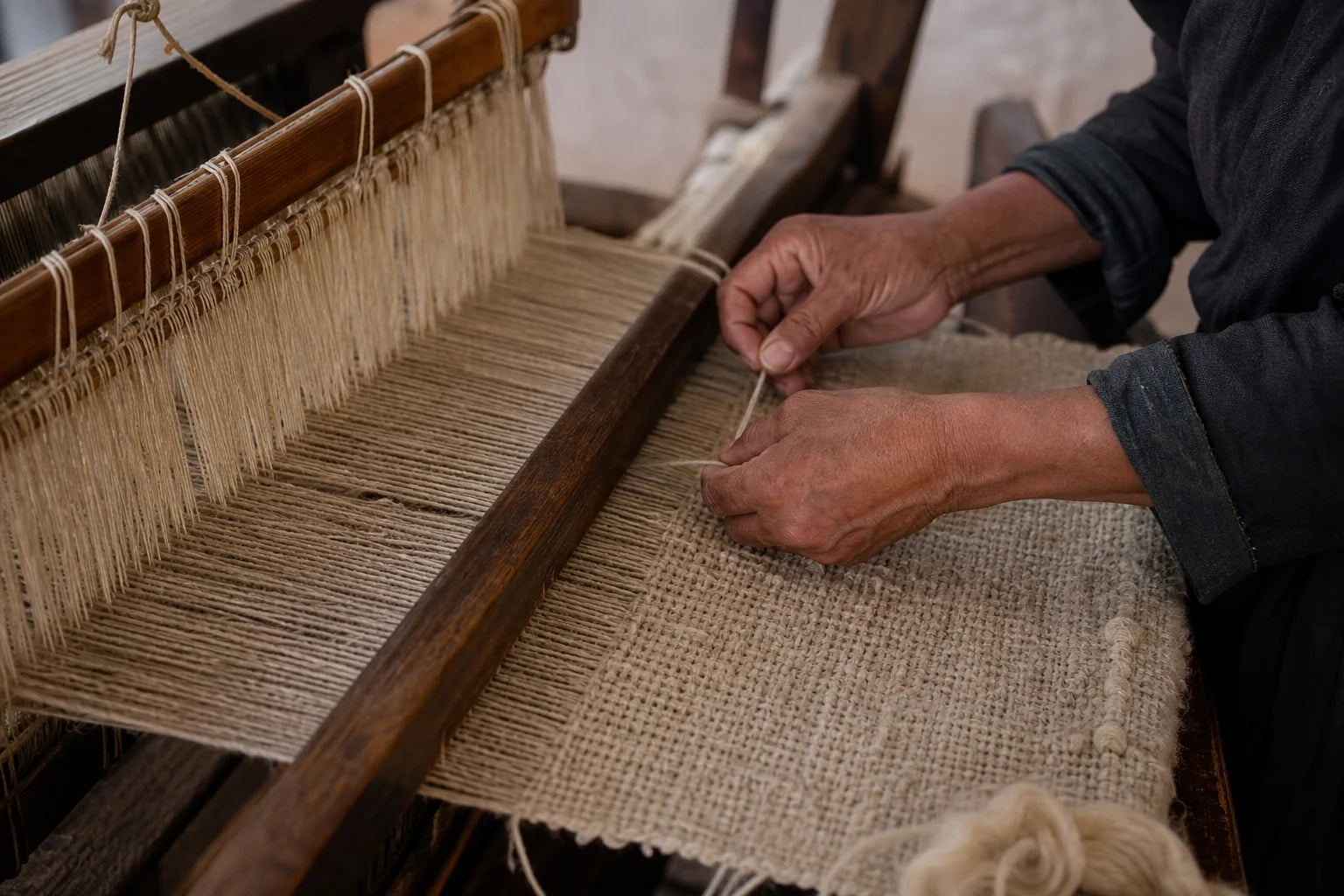
Provenance is often presented as atmosphere: a landscape photograph, a tactile close-up, a sentence about ancient hands. None of those things proves where an object came from or how it was made.
ALPORA鈥檚 launch standard is to treat provenance as a product record. Before an origin, material or making statement is presented as fact, we intend to answer five questions.
1. What exactly is the material?
A useful record names fibre composition, relevant grades or blends, and the evidence used to verify them. 鈥淣atural鈥?is too broad to be meaningful on its own.
2. Where did transformation happen?
Raw material origin, spinning, dyeing, weaving, assembly and finishing can occur in different places. A single place name should not conceal a more complex chain.
3. Who held responsibility for the work?
The record should distinguish designer, workshop, individual maker where appropriate, material supplier and production partner. Attribution must follow consent and agreement, not marketing convenience.
4. Which technique matters, and why?
Technique should explain construction, performance or cultural context. It should not be used as a decorative adjective when the actual process is unknown.
5. What remains unverified?
Transparent gaps are more credible than invented completeness. If a claim is still being checked, it should be described as an intention or omitted until the evidence exists.
The products currently shown by ALPORA are concept designs. Their material and making notes describe direction, not final verified specifications. Those records will change as sampling and production validation progress.